
Deposit Bonds · Home Loans
Exchange contracts while your cash is still tied up.
Your deposit may be in a home you have not sold, a term deposit or your super. We arrange the guarantee vendors accept at exchange, and say plainly if one will not work.
$1.5b in settled lending
MPA Top Commercial Brokers
5.0 Google rating
Phone answered 24 hours
What happens next
Why commercial through Evolve
Commercial is where we do our best work
Bond and loan, together
One conversation covers the bond, the loan funding the purchase and the sale behind it, so every piece lands on the same settlement date.
Accepted before you bid
Acceptance is the vendor’s decision, not a right. We confirm with the agent that a bond will be taken before you bid or exchange.
Nothing borrowed
A bond is a guarantee, not a loan: no interest, no repayments, one fee when it is issued, and the full price paid at settlement.
Honest about not yet
If the vendor insists on cash or the timing fails, we say so and show the alternatives: a bridge, a longer settlement or selling first.
“After selling this house we reengaged and leveraged his services to purchase our new house. Les is prompt, professional, and a pleasure to work with. He has a great understanding of the market and provides exceptional guidance throughout the process.”
Repeat client, Sydney
“We dealt with Les throughout our first home buying experience and he was extremely helpful. Any questions we had big or small Les did not hesitate to reply to and would go into detail ensuring we understood the process.”
First home buyer, Sydney


The short version
A deposit bond, explained in plain terms
A deposit bond stands in for the cash deposit when contracts are exchanged. Nothing is borrowed and no interest is charged; the bond guarantees the vendor that the deposit will be paid at settlement, when you hand over the full purchase price. For buyers whose money is certain but not liquid, it removes the one obstacle between them and exchange.
The bond is rarely the whole answer, though. The vendor has to accept it, the issuer wants evidence you can complete, and it has to sit correctly beside your sale and the loan funding the purchase. That sequencing is our job: buying before you sell usually pairs the bond with bridging finance; if finance is not in place yet, first get pre-approved. We can get it done.
Tell us what you are buying and where your deposit sits. The answer will be straight: possible now, possible with changes, or not yet.
How it works
From first conversation to exchange day
- Step
The first conversation
A call, usually within one business day, covering what you are buying, where your deposit sits and how you will complete at settlement.
- Step
Initial assessment and recommendation
Evidence of the equity, sale, savings or loan behind you, then bond amount, term and fee, plus any lending needed, recommended in writing.
- Step
Application prepared for signing
We prepare the bond application, and the loan application where one is needed. You review and sign; nothing is lodged until you have.
- Step
Bond issued, ready to exchange
Once the issuer approves, the digital bond goes to you and your conveyancer for auction day or exchange, and we run the loan to settlement.
Understanding deposit bonds
What buyers ask before they use one
How does a deposit bond work?
A deposit bond is a guarantee that takes the place of the cash deposit between exchange and settlement. No money changes hands at exchange; you pay the full purchase price, deposit included, at settlement, and the bond lapses.
The issuer guarantees the vendor that the deposit is good. If a buyer fails to complete, the issuer pays the vendor and recovers the amount from the buyer, so treat a bond with the same respect as cash.
Using a bond at auction or off the plan
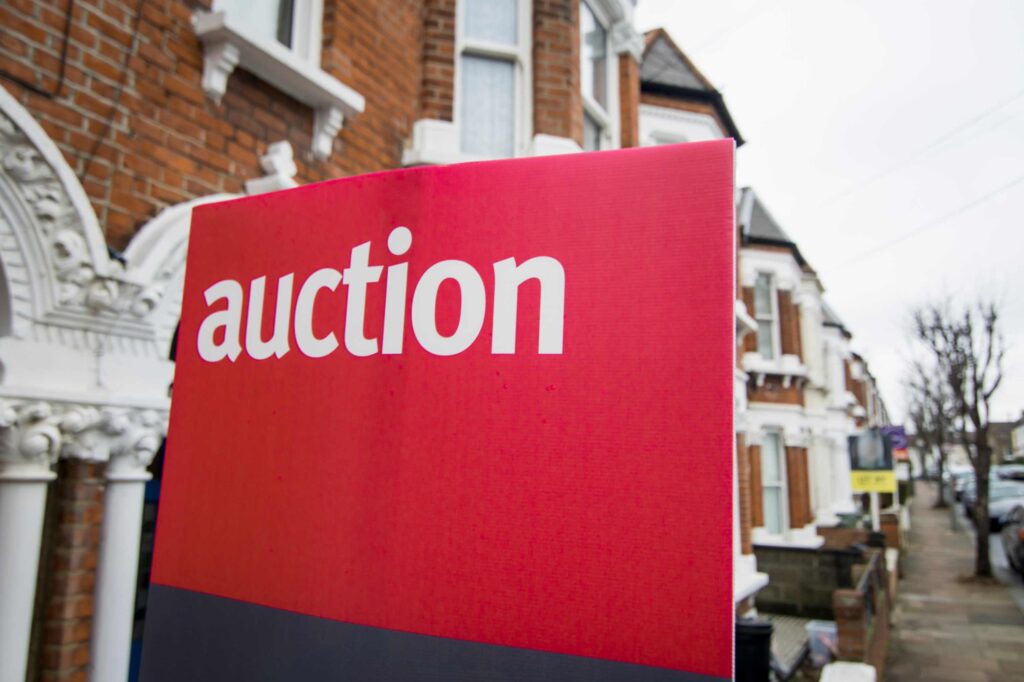
At auction the agent must agree to accept a bond before you bid; the vendor’s details go on the bond once contracts are exchanged. Off the plan, a longer-term bond replaces cash that would otherwise sit with the developer until completion.
Short-term bonds run up to about six months and suit established homes. Long-term bonds run for years and suit off-the-plan, house and land and vacant land purchases; the longer the term, the more equity the issuer wants behind it.
Can first home buyers use a deposit bond?
Yes. When your savings are real but not available on exchange day, a bond can hold the purchase together. The issuer will want evidence you can complete, usually a loan approval.
Common versions: a term deposit that matures after exchange, money released under the First Home Super Saver Scheme on its own timetable, or a guarantor-supported purchase where borrowing power is strong but cash at exchange is thin.
Bond or bridging finance: which do you need?
They solve different problems. A bond covers only the deposit at exchange and involves no borrowing; bridging finance is a loan that funds the whole purchase while your home sells.
Many buy-before-you-sell moves use both: the bond secures exchange, the bridge carries you to settlement. If your sale settles first, or a longer settlement can be negotiated, you may need neither. We map out where the purchase money comes from, and when, before recommending either.
Keep exploring
The loan that carries you from exchange to settlement.

The loan behind the purchase, bond or not.

Schemes, deposits and getting to exchange day.

Guide · When a bond is enough and when you need a bridge
Guide · How much deposit lenders want by settlement

Find out whether a bond fits
Call 1300 112 355
The questions that come up before exchange
How much can I borrow?
Your borrowing capacity depends on factors such as your income, existing debts, living expenses, deposit, credit position, and the lender’s assessment criteria. Online calculators can be a rough guide, but they often do not reflect how a lender will actually assess the deal. A proper assessment gives you a clearer view of what may be possible before you start making offers.
Should I get pre-approval before buying a property?
In many cases, yes. Pre-approval can help you understand your likely budget, narrow your search, and act with more confidence when the right property appears. It can also help identify issues early, before you are negotiating under time pressure or committing to a contract.
What is the difference between pre-approval and formal approval?
Pre-approval is an initial indication that a lender may be prepared to lend, subject to conditions. Formal approval (also referred to as unconditional approval) happens later, once the lender has completed its full assessment, including checks on your documents, financial position, and the property itself. Pre-approval can be useful, but it is not the same as unconditional approval.
How long does pre-approval last?
Pre-approval periods vary by lender, but they commonly last around 60 to 90 days. Some lenders may reassess the application if your circumstances change, documents expire, or the approval period runs out before you secure a property.
Can my home loan still be declined after pre-approval?
Yes. Pre-approval does not guarantee formal approval. A loan can still be declined if the property does not meet lender requirements, the valuation comes in short, your financial position changes, or issues emerge during final credit assessment. That is one reason lender fit and proper upfront assessment matter.
What deposit do I need to buy a property?
The deposit required depends on the lender, the property, and your overall scenario. You also need to allow for other costs such as stamp duty, legal costs, and government or lender fees where applicable. In some cases, borrowers can proceed with a smaller deposit, but that depends on the lender’s policy and the broader structure of the deal.
How long does it take to get a home loan approved?
Timeframes vary depending on the lender, the quality of the application, how quickly documents are provided, and whether a valuation is required. Some approvals move quickly, while others take longer. Where a purchase is involved, preparation upfront can make a material difference to timing and execution.