
Truck Finance · Asset Finance
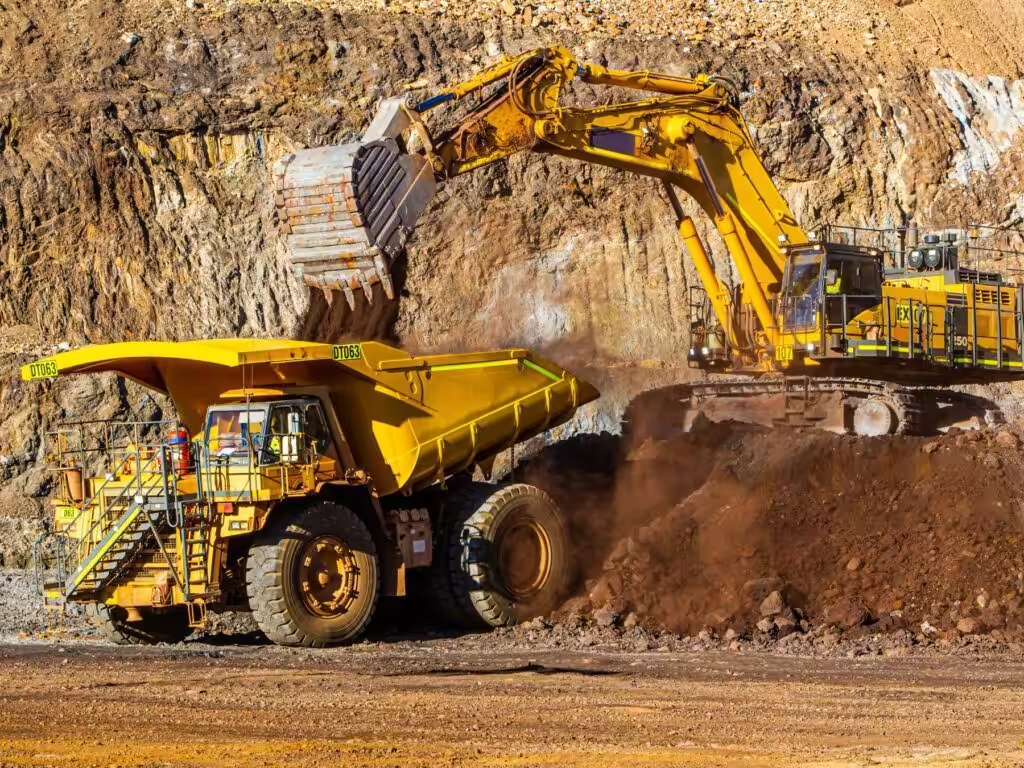
Finance for prime movers, tippers and excavators, structured around how your business earns.
Truck loans and earthmoving finance for owner-drivers, fleet operators and contractors. We match the structure, term and balloon to your cash flow, and tell you plainly what is possible.
$1.5b in settled lending
MPA Top Commercial Brokers
5.0 Google rating
Phone answered 24 hours
What happens next
Why commercial through Evolve
Commercial is where we do our best work
Balloon set honestly
We set any balloon against what the truck or machine is likely to be worth at the end, not against the lowest possible repayment.
Deep lender relationships
Not every lender will fund older trucks, private sales or new ABNs. Deep working relationships with 15 to 20 lenders tell us who fits first.
Low doc pathways
Fresh or deduction-heavy financials narrow the lender list rather than end it. Low doc options exist for ABN holders whose returns understate real cash flow.
Seasonal repayment options
Where the work is seasonal or contract-based, some lenders will set repayments around your busy and quiet months instead of one flat figure.
“It is refreshing to deal with a expert who really knows his stuff. At no time do you feel Mark and his team are not focused on delivering the very best for your situation. Thank you Mark and the team at Evolve Lending & Finance.”
Daniel, Google review
“Les and Mark were wonderful throughout the entire process, providing expert advice to secure the exact deal I needed for my financial goals. Communication was excellent, and they kept me informed every step of the way.”
Jeff, Google review


In plain terms
How truck finance works in practice
Truck finance lets you put a prime mover, rigid or tipper to work now and pay for it from the income it earns, instead of tying up cash in an asset that loses value every year. Most deals are written as a chattel mortgage: the business owns the truck from day one and the lender holds security over it until the loan is repaid.
Heavy vehicle finance is assessed differently from a car loan. Lenders look at the truck’s age and use, your experience in the industry, the contracts or regular work behind the income, and how any balloon compares with the truck’s likely resale value. Excavators, loaders and skid steers follow the same logic and can sit in the same deal. Our guide has the chattel mortgage explained, including how the GST and balloon work.
Send us the scenario, however it looks on paper. The answer will be straight: possible now, possible with changes, or not yet.
How it works
From first conversation to settlement
- Step
The recommendation
A 15 to 30 minute call about the truck or machine and the business, then lender, term, balloon and total cost in writing.
- Step
Loan application
Structure agreed with your accountant, then one application to the lender that fits, with a short document list: ABN, ID, statements and the details of the truck or machine.
- Step
Lender approval
The lender assesses the business and the truck or machine. You hear the outcome and any conditions plainly, and nothing changes without your say-so.
- Step
Approval to settlement
We handle the loan documents, the tax invoice and settlement with the dealer or seller. Delivery then depends on the supplier, not the finance.
Understanding heavy vehicle finance
What sits behind a truck or machine loan
Chattel mortgage or lease: which suits a truck?
A chattel mortgage suits most operators who plan to keep the truck: the business owns it from day one, and a GST-registered business can generally claim the GST upfront. A lease suits a business that would rather hand the truck back or upgrade at the end of the term.
The choice turns on how long you will run the truck and how your accountant wants the tax to land. We model both before recommending either.
How does a balloon work on truck loans?
A balloon is a lump sum left owing at the end of the term, which lowers the regular repayments. When it falls due, you pay it out, refinance it or sell the truck to cover it.
The trade-off is more interest overall, because the balance stays higher for longer. Lenders cap the balloon by term and the truck’s age, and we set it against what the truck is likely to be worth.
Can you finance a truck with a new ABN?
Often, yes, though fewer lenders will look at it and the conditions are tighter. Most want industry experience, a sound credit history and either a deposit or property behind the application.
Two years of trading opens up more lenders, including low doc options where recent tax returns understate real cash flow. If it is not possible yet, we will tell you what changes it: a deposit, a contract or more months of trading.
How is earthmoving gear financed?
Much the same way as a truck: usually a chattel mortgage or lease, with the machine itself backing the finance. Excavators, loaders, skid steers and rollers are all commonly financed, and attachments bought with the machine can usually be included.
For used machines, lenders look at hours, age and condition, and fewer will fund an auction or private sale. A tipper, float and excavator bought together can often go to one lender in one application.
Keep exploring
Machinery, tools and plant for the business.
The float or trailer that goes with the truck.
Utes and vans for the business, structured properly.
Guide · Ownership, GST and balloons on a business asset
Get the structure right before you sign
Call 1300 112 355
Questions operators ask before they buy
What can truck and earthmoving finance be used for?
Truck and earthmoving finance may be used for a range of business asset purchases, including trucks, tippers, excavators, loaders, skid steers, rollers, and other commercial-use equipment depending on the lender and scenario.
Can I get finance for used trucks or earthmoving equipment?
Yes. In many cases, finance may be available for used assets, although the available options will depend on the age, value, condition, and type of equipment, as well as the lender’s policy.
Can I buy a truck or machine through a private sale?
In some cases, yes. Some lenders will consider private sale purchases, but the structure and available options can differ from dealer transactions.
What do lenders usually look at for truck and earthmoving loans?
Lenders will usually look at the asset type, whether it is new or used, how it will be used in the business, the purchase price, the requested term, business financials, repayment capacity, credit profile, and whether the overall scenario fits policy.
What documents are usually needed for truck and earthmoving finance?
Requirements vary by lender and scenario, but commonly include identification, business financials or income information, liability details, bank statements in some cases, and details of the asset being purchased, including invoice or sale information.
How long does truck or earthmoving finance approval usually take?
Timeframes can vary depending on the lender, the complexity of the deal, and how well the application is prepared. Cleaner applications with the right lender fit usually move more efficiently than poorly matched or incomplete submissions.
What can make truck or earthmoving finance harder to get approved?
Common issues include poor lender fit, weak cash flow, credit concerns, older assets, private sale transactions, incomplete financial information, or an application that does not align properly with the lender’s policy.