
Equipment Finance · Asset Finance
Keep the cash for wages and materials. Spread the cost over the asset’s working life.
Equipment loans for the machinery, vehicles and technology your business runs on. We match the structure and lender to the asset and the business, and tell you plainly what is possible.
$1.5b in settled lending
MPA Top Commercial Brokers
5.0 Google rating
Phone answered 24 hours
What happens next
Why commercial through Evolve
Commercial is where we do our best work
Structure before rate
Chattel mortgage, lease or rental, matched to how long you will keep the asset and worked through with your accountant before you sign.
Deep lender relationships
Deep working relationships with 15 to 20 lenders, so we know which have appetite for your asset, your industry and your structure.
Low doc pathways
Fresh ABN, heavy deductions or financials not done yet? Some lenders assess the asset, bank statements and trading history instead. Tricky deals, minimum fuss.
One file, every purchase
The ute now, the excavator next year. We already know your file, so the next purchase does not start from scratch.
“Les and Mark were wonderful throughout the entire process, providing expert advice to secure the exact deal I needed for my financial goals. Communication was excellent, and they kept me informed every step of the way.”
Jeff, Google review
“After selling this house we reengaged and leveraged his services to purchase our new house. Les is prompt, professional, and a pleasure to work with. He has a great understanding of the market and provides exceptional guidance throughout the process.”
Joshua, Google review


In plain terms
Equipment finance, structured around the business
Equipment finance spreads the cost of machinery, vehicles, tools and technology over the years the asset earns its keep. The lender funds the purchase, the supplier is paid in full, and in most cases the asset itself secures the loan rather than your home. Your working capital stays free for the work the equipment was bought to win.
The structure matters as much as the rate. A chattel mortgage, a lease and a rental treat ownership, GST and the end of the term differently, so we start with how long you will keep the asset. Our guide sets out chattel mortgage vs lease in full, and for a tractor or header, see farm machinery loans. Used gear and private sales narrow the lender list rather than close it. We can get it done.
Send us the quote, or just tell us what the business needs. The answer will be straight: possible now, possible with changes, or not yet.
How it works
From first conversation to settlement
- Step
The recommendation
A 15 to 30 minute call about the equipment and the business, then lender, term, balloon and total cost in writing.
- Step
Loan application
Structure agreed with your accountant, then one application to the lender that fits, with a short document list: ABN, ID, statements and the details of the equipment.
- Step
Lender approval
The lender assesses the business and the equipment. You hear the outcome and any conditions plainly, and nothing changes without your say-so.
- Step
Approval to settlement
We handle the loan documents, the tax invoice and settlement with the supplier. Delivery then depends on the supplier, not the finance.
Understanding equipment loans
What to weigh up first
How do equipment loans work?
An equipment loan pays the supplier upfront and spreads the cost over a fixed term while the asset works for the business. The rate is usually fixed for the term, so the repayments do not move.
Most machinery finance is written as a chattel mortgage: the business owns the asset from day one and the lender registers its interest until the final repayment. Leases and rentals work differently, and suit gear you plan to hand back or replace.
Chattel mortgage, lease or rental: which suits?
A chattel mortgage suits equipment you plan to keep, because the business owns it and can generally claim the GST credit, interest and depreciation for business use. A lease or rental suits gear you expect to replace on a short cycle, where owning an ageing asset is the last thing you want.
The right answer turns on the asset’s working life, what happens at the end of the term and how your accountant wants the tax to land. We model the options against your numbers before recommending one.
What is a balloon payment, and should you use one?
A balloon, or residual, is a lump sum left owing at the end of the term to lower the regular repayments. It reduces the monthly cost but adds to the total interest, because the balance stays higher for longer.
Set it against what the asset will realistically be worth at the end of the term, not against the lowest possible repayment. Then paying it out, trading in or refinancing stays your choice.
Do you need property as security?
Usually not. For most equipment the asset itself secures the loan, although a company borrower is generally asked for a director’s guarantee.
Property backing starts to matter when the business is new, the asset is specialised or hard to resell, or the amount is large for the size of the business. Even then, a deposit or a shorter term can sometimes do the same job.
Keep exploring
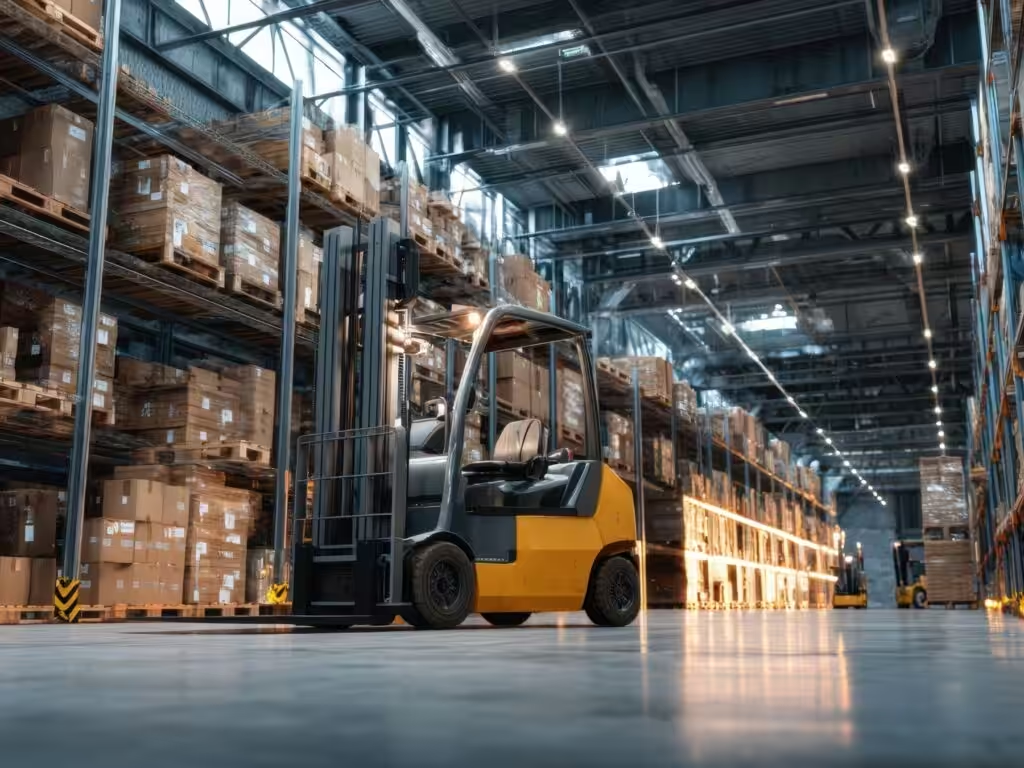
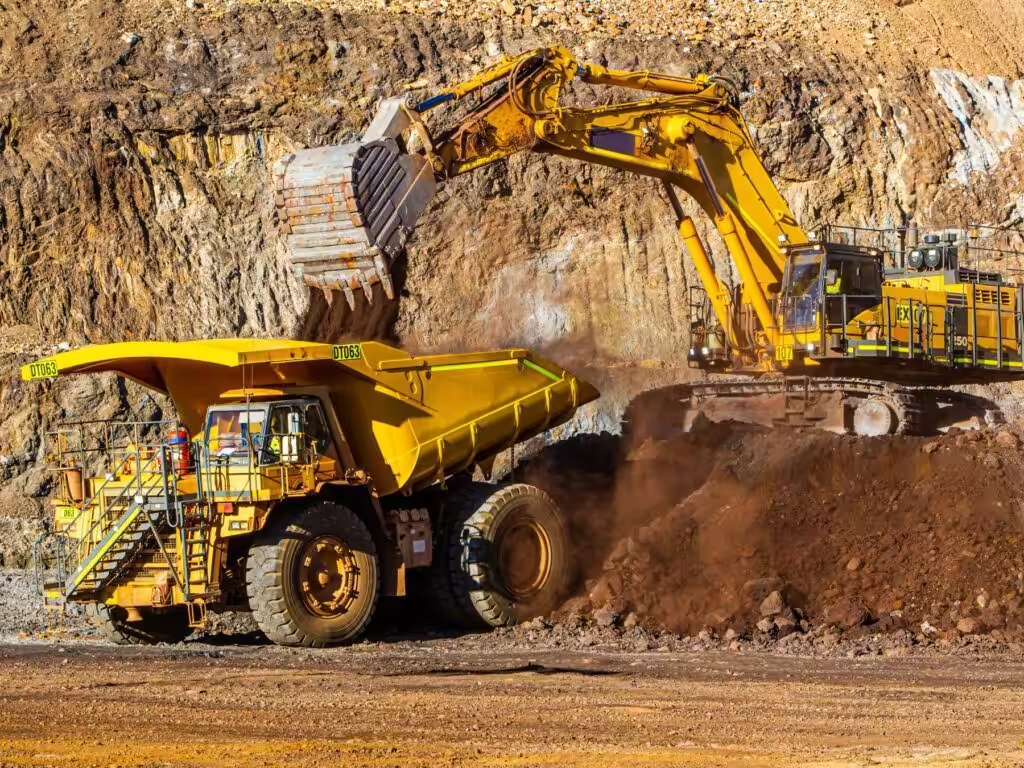
Prime movers, tippers and the gear that moves dirt.
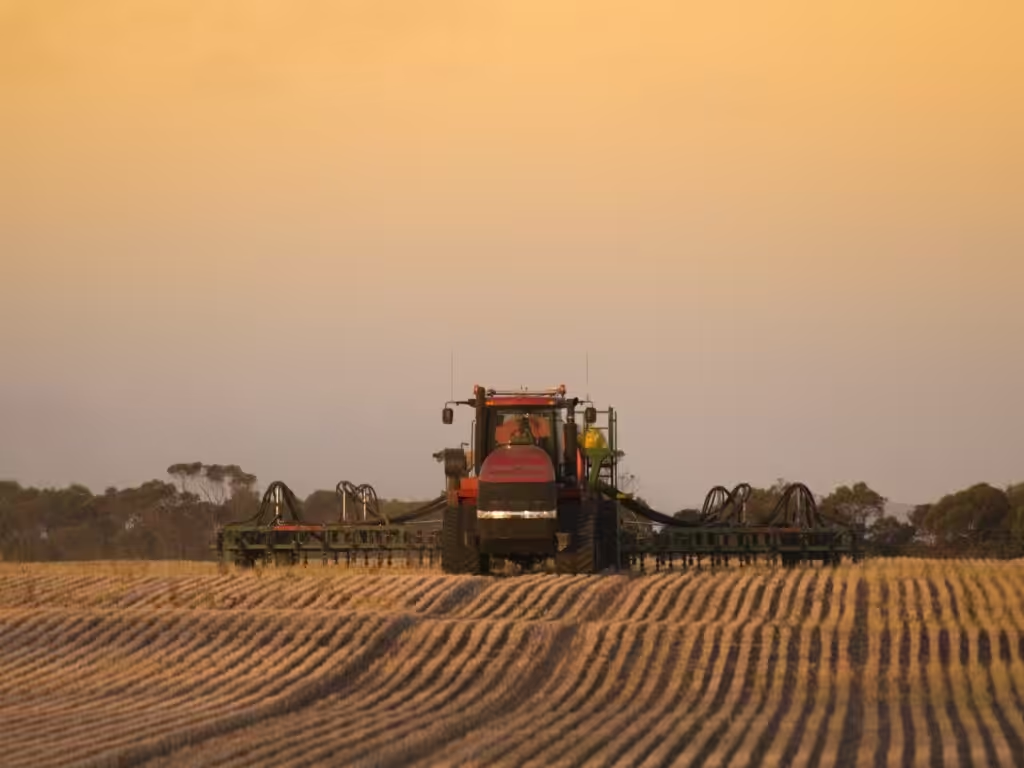
Tractors, headers and the machinery a farm runs on.
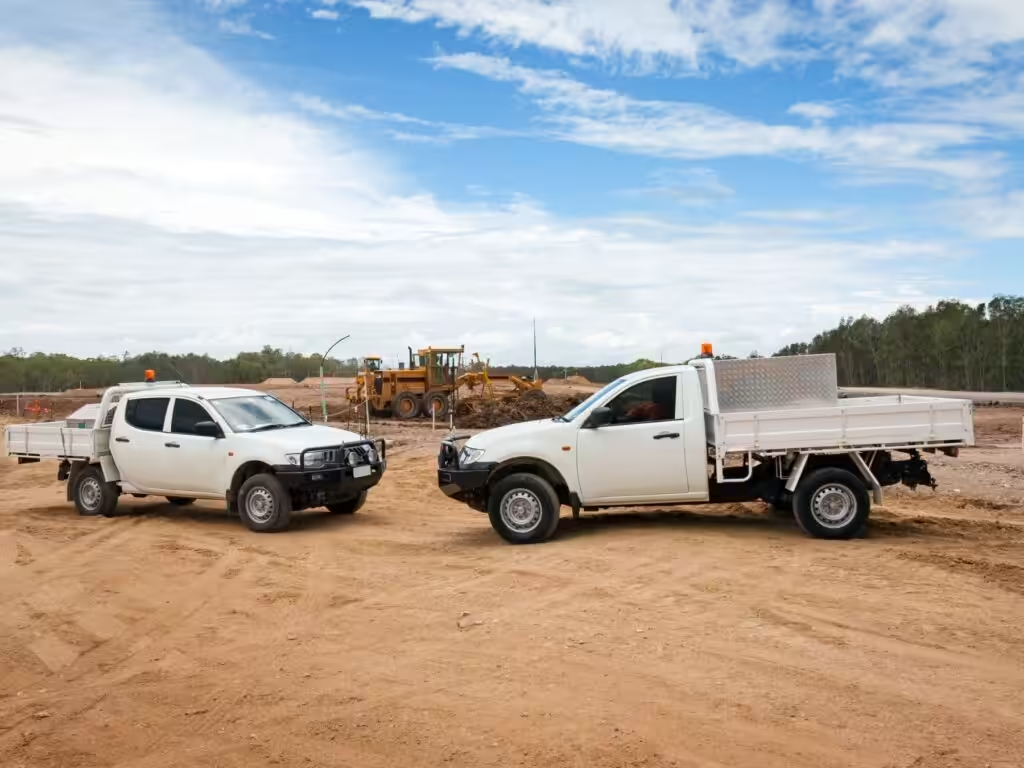
Utes, vans and cars bought through the business.
Guide · Ownership, GST and balloons, in plain terms
Get a straight answer before you buy
Call 1300 112 355
Questions equipment buyers actually ask
How does equipment finance work?
Equipment finance allows a business to access equipment without paying the full purchase price upfront. The exact structure depends on the product, but the business usually repays the facility over time while using the asset in its operations.
What types of equipment can be financed?
There are lenders and products for a wide range of business equipment, including plant, machinery, forklifts, agricultural equipment, factory equipment, IT hardware, commercial kitchen equipment, and other business assets. Some lenders are broad in appetite, while others are more specialised.
What is the difference between a finance lease, operating lease, hire purchase, and chattel mortgage?
The main differences are around ownership, maintenance responsibility, tax treatment, and how repayments are structured. A finance lease or operating lease may suit one type of scenario, while a commercial hire purchase or chattel mortgage may suit another. The right choice depends on the asset and the business.
What documents do I usually need for equipment finance?
Requirements vary by lender and scenario, but lenders commonly want identification, financial information, liability details, equipment information, and the supplier invoice or quote. More specialised or larger transactions may require a more detailed submission.
How long does it take to get approved for equipment finance?
That depends on the lender, the asset, the quality of the documents provided, and how straightforward the scenario is. Some deals can move quickly, while others require more detailed assessment before approval.
Can I pay off equipment finance early?
Sometimes, yes, but it depends on the lender and the finance structure. Early payout terms can vary between leases, hire purchase, and chattel mortgages, so this should be checked before the facility is put in place.
What are the main benefits of equipment finance?
The main benefits can include preserving business capital, improving cash flow, avoiding a large upfront outlay, and choosing a structure that better suits the asset and the business. Depending on the product, there may also be accounting or tax advantages to consider.