
Agricultural Equipment Finance · Asset Finance
Farm income is seasonal. With the right lender, your repayments can be too.
Buying a tractor, header, seeder or sprayer, new or used? We work out which lenders suit the machine and your enterprise, then tell you plainly what is possible.
$1.5b in settled lending
MPA Top Commercial Brokers
5.0 Google rating
Phone answered 24 hours
What happens next
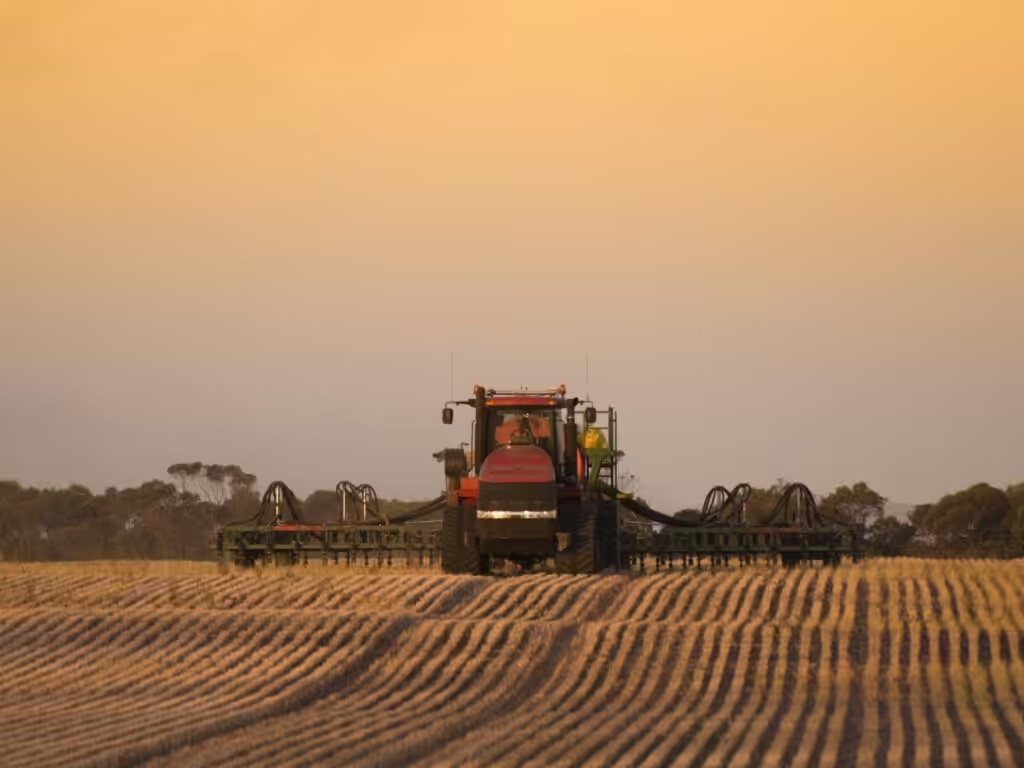
Why commercial through Evolve
Commercial is where we do our best work
Seasonal repayments
Quarterly, half-yearly or annual repayments, or lighter ones in the off-season: where the lender allows it, you pay when the harvest or stock money lands.
Lenders who know machinery
Banks, non-banks and specialist asset lenders all read machinery and seasonal income differently. We hold deep working relationships with lenders that suit farming.
Ready before the sale
Dealer, clearing sale or private seller: pre-approval from a lender whose policy suits the machine, with its conditions known before you bid.
Structured with your accountant
Chattel mortgage, lease or hire purchase, chosen with your accountant so the GST, depreciation and end-of-term position land the way they should.
Example scenario
A replacement tractor, repaid around the season
A mixed cropping and cattle family in regional NSW needed to replace an ageing tractor that kept breaking down at critical points in the season. They had put the upgrade off to protect cash before harvest, and standard business loans came with rigid monthly repayments. We financed the tractor on its own, secured by the machine, over its working life, with repayments set around the season, and moved seasonal costs to a separate operating facility. No more peak-season breakdowns, less short-term debt and room to buy land later. A composite example; details changed.
“Les and Mark were wonderful throughout the entire process, providing expert advice to secure the exact deal I needed for my financial goals. Communication was excellent, and they kept me informed every step of the way.”
Home loan client, Sydney
“We dealt with Les throughout our first home buying experience and he was extremely helpful. Any questions we had big or small Les did not hesitate to reply to and would go into detail ensuring we understood the process.”
First home buyer, Sydney


In plain terms
Agricultural equipment finance, explained plainly
Agricultural equipment finance spreads the cost of a tractor, harvester, seeder, sprayer, baler or irrigation plant over the years the machine earns its keep, so the purchase does not drain the working capital the season needs. The machine usually secures its own loan, and the structure, term and repayment pattern should follow how your enterprise actually earns.
Farm machinery finance is where lender choice matters. Some lenders offer quarterly, half-yearly or annual repayments; others cap the age of used machines, avoid private sales or read a drought year at face value. We match the machine, the seller and your financials to a lender whose policy fits, and when the machine is part of a bigger plan, such as the block next door, we arrange the rural property loans too.
Tell us what you are buying, who is selling it and when the money needs to be there. The answer will be straight: possible now, possible with changes, or not yet.
How it works
From first conversation to settlement
- Step
The recommendation
A 15 to 30 minute call about the machine and the business, then lender, term, balloon and total cost in writing.
- Step
Loan application
Structure agreed with your accountant, then one application to the lender that fits, with a short document list: ABN, ID, statements and the details of the machine.
- Step
Lender approval
The lender assesses the business and the machine. You hear the outcome and any conditions plainly, and nothing changes without your say-so.
- Step
Approval to settlement
We handle the loan documents, the tax invoice and settlement with the dealer or seller. Delivery then depends on the supplier, not the finance.
Understanding machinery finance
How lenders look at farm machinery
Chattel mortgage or lease for farm machinery?
Most farm machinery is financed with a chattel mortgage: the business owns the machine from day one and the lender holds security over it. A GST-registered business can usually claim the GST in its next BAS and deduct interest and depreciation, each to the extent the machine is used for business.
A finance lease can suit gear you upgrade on a cycle: the financier owns it and you claim the lease payments, with GST spread across them. We arrange the finance; your accountant confirms the tax.
Can repayments follow the harvest or stock sales?
Yes, with the right lender. Lenders that understand farming can set repayments quarterly, half-yearly or annually, or lighten them through the off-season, so the loan is paid when the harvest or stock money lands.
The trade-off is fewer, larger payments, and the lender will want to see you can meet them in a poor season as well as a good one. We test the pattern against your real cash flow first.
What sets the term and rate on farm equipment loans?
The machine and the business. Its age, whether it is new or used, who is selling it and any balloon all count, as do time trading, your financials and credit history.
Terms usually run one to seven years, matched to the machine’s working life, so older gear often gets a shorter one. A balloon lowers the regular repayment but adds interest overall, so set it below what the machine will realistically be worth at the end, hours and all.
Does the machine secure the loan, or the farm?
Usually the machine. Under a chattel mortgage the lender registers its security over the equipment on the Personal Property Securities Register, so the farm itself is not normally part of the deal.
Companies are usually asked for a director’s guarantee, and property can come into it for older or specialised machines, large packages or thin financials. If a lender wants more, we tell you why and whether another would do without it.
Keep exploring
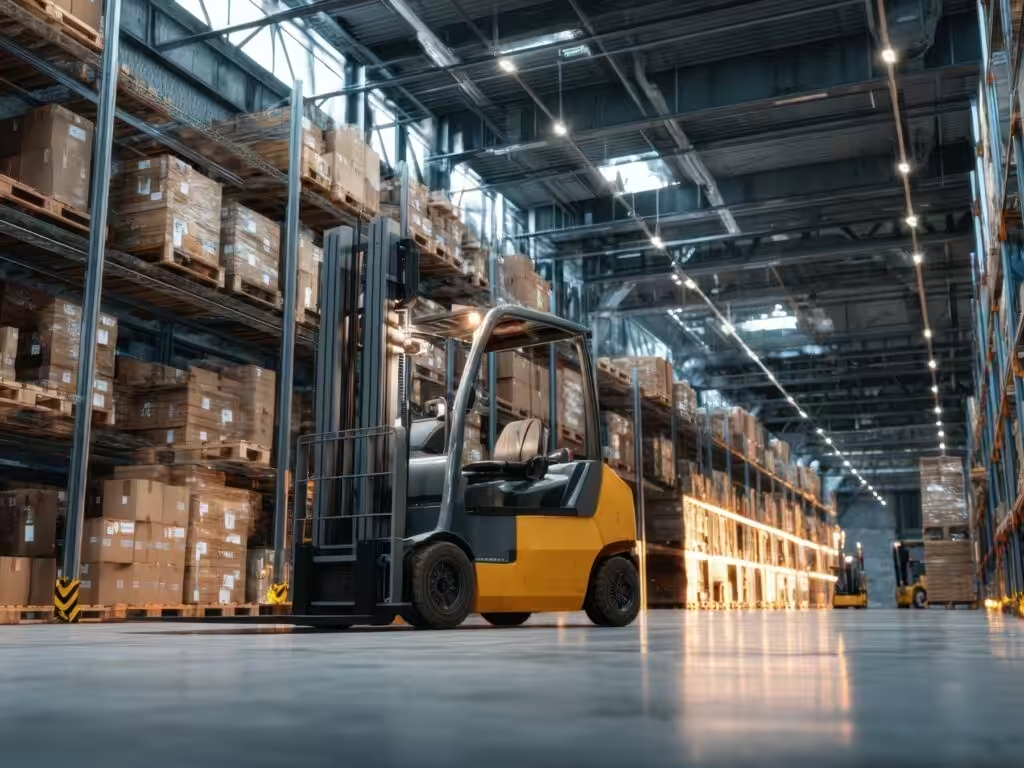
Machinery and plant for businesses off the farm.
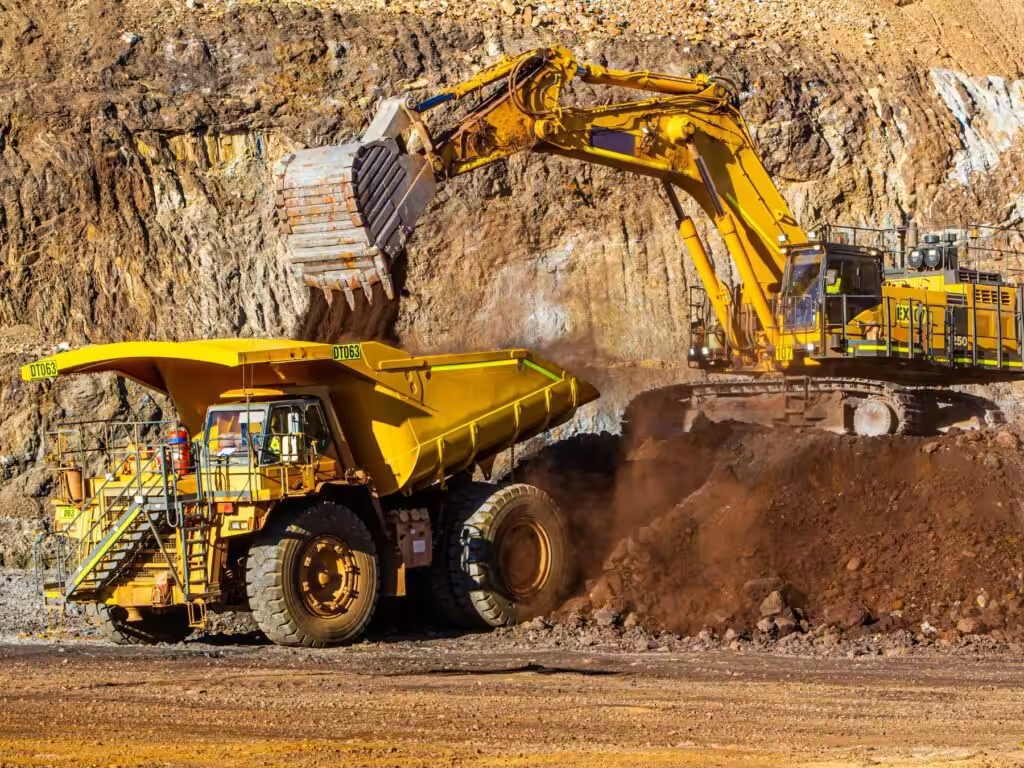
Trucks and heavy vehicles, new or used.
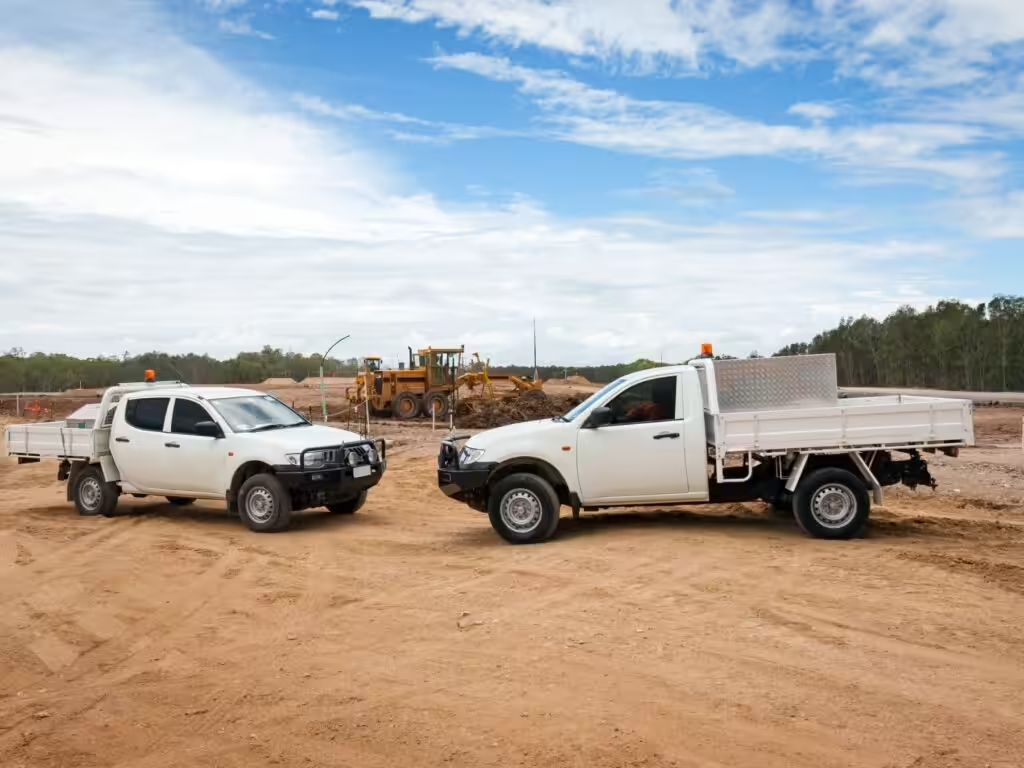
Utes and work vehicles bought through the business.
Guide · How ownership, GST and balloons work on a machine
Guide · What lenders look for in a business application

Get the structure right before you sign
Call 1300 112 355
Questions buyers ask before they sign
What can agricultural equipment finance be used for?
Agricultural equipment finance may be used for a range of farm machinery and operational assets, including tractors, harvesters, seeders, sprayers, irrigation equipment, and other agricultural plant depending on the lender and scenario.
Can I get finance for used farm machinery?
Yes. In many cases, finance may be available for used agricultural equipment, although the available options will depend on the age, value, condition, and type of machinery, as well as the lender’s policy.
Can I buy agricultural equipment through a private sale?
In some cases, yes. Some lenders will consider private sale purchases, but the structure and available options can differ from dealer transactions.
What do lenders usually look at for agricultural equipment finance?
Lenders will usually look at the type of machinery, whether it is new or used, the purchase price, how it will be used in the business, the requested term, business financials, repayment capacity, credit profile, and whether the overall scenario fits policy.
What documents are usually needed for agricultural equipment finance?
Requirements vary by lender and scenario, but commonly include identification, business financials or income information, liability details, bank statements in some cases, and details of the machinery being purchased, including invoice or sale information.
How long does agricultural equipment finance approval usually take?
Timeframes can vary depending on the lender, the quality of the application, and the type of asset being funded. Cleaner applications with the right lender fit usually move more efficiently than poorly matched or incomplete submissions.
What can make agricultural equipment finance harder to get approved?
Common issues include poor lender fit, weak cash flow, credit concerns, older machinery, private sale transactions, incomplete financial information, or an application that does not align properly with the lender’s policy.