Reverse mortgages
A reverse mortgage can allow eligible older homeowners to access some of the equity in their home without selling the property or making regular repayments.
That can be useful in the right situation, but it is not a decision to rush. A reverse mortgage affects the equity remaining in the property over time, so it needs to be assessed carefully in the context of your goals, your home, and what the loan may mean later.
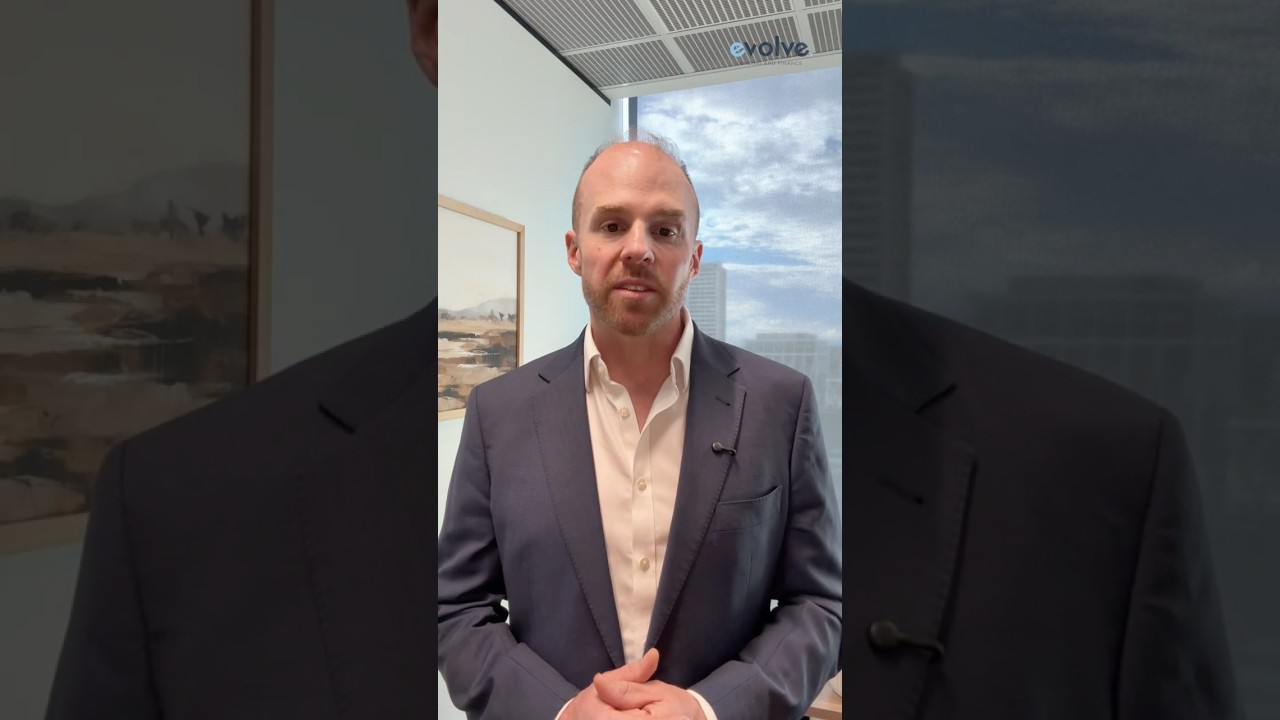
At Evolve Lending & Finance, we help borrowers assess reverse mortgage options more clearly before they commit. Whether the goal is to improve cash flow, cover major expenses, complete home improvements, or create more financial breathing room in retirement, we help borrowers move forward with clearer advice and a more considered decision.
How a reverse mortgage works
A reverse mortgage is different from a standard home loan.
Instead of making regular repayments, interest is generally added to the loan balance over time and the loan is usually repaid later, often when the property is sold, the borrower moves into aged care, or the estate is finalised. Moneysmart says borrowers may be able to take the funds as a lump sum, regular instalments, a line of credit, or a combination depending on the lender.
That means the key question is not just whether you can access equity. It is whether the product is appropriate, how much should be borrowed, and what the long-term effect may be on the equity left in the home.
When a reverse mortgage may be considered
Depending on the circumstances, borrowers may look at a reverse mortgage to help with:
- home improvements or modifications
- medical or care-related costs
- supplementing retirement income
- paying out existing debt
- creating a reserve for future needs
- supporting broader retirement cash flow planning
Those uses can make sense in the right case, but the trade-offs need to be understood properly first.
What needs to be weighed up carefully
A reverse mortgage should be assessed carefully because the loan balance generally grows over time.
That may affect the amount of equity left later, your estate, and potentially other financial decisions down the track. Moneysmart warns that compound interest can significantly increase the debt over time, which is why projections matter before committing.
This is one of those products where better explanation matters more than sales language.
Consumer protections matter, but they do not remove the need for care
Reverse mortgages in Australia come with important protections.
Moneysmart says reverse mortgages taken out since 18 September 2012 have negative equity protection, which means the borrower will not owe more than the value of the home when it is sold to repay the loan. ASIC’s review also found that enhanced protections removed the earlier risk of negative equity.
That is an important protection, but it does not change the need to assess the product carefully in the first place.
How Evolve helps
At Evolve Lending & Finance, we help borrowers assess reverse mortgage options properly before they commit.
That includes:
- explaining how the product works in plain language
- helping you understand how the debt may grow over time
- comparing suitable lender options where appropriate
- helping assess whether the product fits the broader situation
- guiding the process through application and settlement
- helping you move forward with clearer advice and a more considered decision
We do not treat reverse mortgages like a generic finance product. We help borrowers understand the trade-offs properly before they commit.
Speak with Evolve
If you are considering a reverse mortgage, it makes sense to understand the product properly before making a decision.
Speak with Evolve Lending & Finance for clearer advice, calmer guidance, and a more considered path forward.